
November 2, 2026
10 Quick Getaway Ideas for Stress-Free Weekend Trips
Need quick getaway ideas? Explore 10 easy short-trip destinations plus planning, packing, and countdown tips to make your next weekend escape effortless.
How many weekends have you spent waiting for enough time off to take a proper vacation? A short trip won’t replace every long holiday, but it can give you a change of scenery without leaving you with an overflowing inbox and a complicated itinerary.
Short breaks aren’t a compromise travelers rarely choose. In 2024, 56.3% of tourism trips taken by EU residents lasted no more than three overnight stays, according to Eurostat’s tourism statistics. That doesn’t tell you where to go, but it does challenge the idea that a worthwhile vacation needs a long stretch of leave.
The best quick getaway ideas start with your actual departure point. These destinations make sense as regional escapes, not as excuses to cross the country for a rushed stay. Check live door-to-door driving estimates before booking, including your likely departure traffic, rather than trusting an optimistic city-to-city estimate.
Choose somewhere you can reach comfortably, reserve the experience you care about most, and keep the remaining schedule loose. Each option below includes a workable itinerary, a booking priority, a seasonal drawback, and a practical planning cue.
The weekend test: If getting there and getting home will take most of your usable time off, choose somewhere closer.
Table of Contents
- 1. Asheville, North Carolina
- 2. Napa Valley, California
- 3. Sedona, Arizona
- 4. Savannah, Georgia
- 5. Door County, Wisconsin
- 6. Charleston, South Carolina
- 7. Lake Tahoe, California and Nevada
- 8. Santa Fe, New Mexico
- 9. Hudson Valley, New York
- 10. Stowe, Vermont
- 10 Quick Getaway Ideas at a Glance
- Pick One, Set the Countdown, Go
1. Asheville, North Carolina
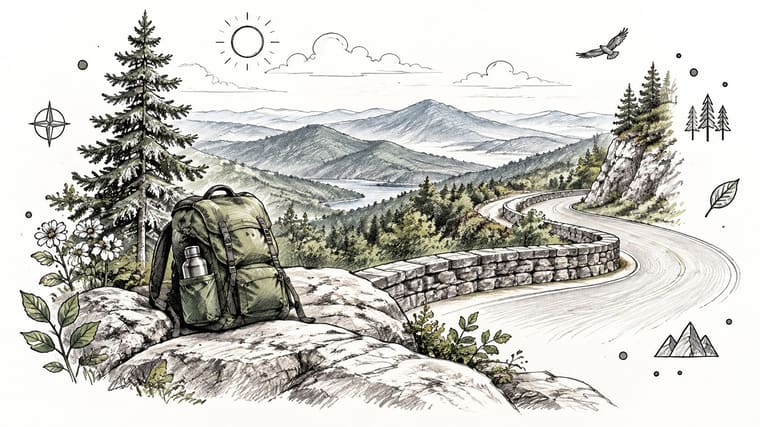
Asheville works best when you want mountain time without spending the entire weekend outdoors. You can build the trip around a hike, then return to downtown restaurants and shops instead of committing to a remote cabin and cooking every meal.
From Charlotte or Atlanta, check your navigation app using your intended departure time. Don’t assume those starting points involve equivalent drives, and check current road and trail access before building a mountain itinerary.
Pair a hike with an unhurried afternoon
Say your main attraction is Biltmore. Reserve admission before choosing your other activities, then put your hike on a different part of the itinerary rather than squeezing it between timed entry and dinner.
- Book first: Secure Biltmore admission if it’s essential, particularly for a fall weekend. Confirm the current entry arrangements before paying.
- Choose your base: Downtown lodging suits dining and browsing; an outlying property suits quiet evenings but adds driving.
- Keep a fallback: Have an indoor arts or shopping option ready if mountain weather makes your chosen trail unsuitable.
The trade-off: Combining scenery, an estate visit, and downtown exploration is appealing, but treating them as adjacent stops creates unnecessary rushing. Keep your departure countdown visible, and track the lodging fund separately so you know when you’re ready to commit.
2. Napa Valley, California
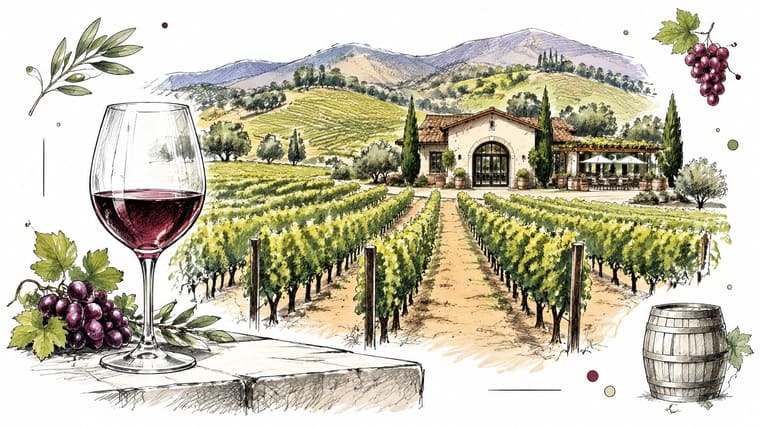
A Napa weekend should feel like a leisurely lunch, not an appointment marathon. Fewer tastings with comfortable gaps work better than collecting reservations across the valley.
Start by choosing your base and transport. A San Francisco departure can involve bridge traffic and a substantial drive beyond the valley’s southern end, so route directly to your hotel or first reservation rather than treating Napa Valley as a single map pin.
Group reservations geographically
For example, base a wine-and-spa escape around Calistoga rather than alternating between the northern and southern valley. You can explore Calistoga with Girard Winery while deciding whether that end of the valley fits your interests.
Reserve your priority tasting as soon as your dates are firm, then arrange transport with a designated sober driver or booked service. Don’t make an essential transfer depend on finding an available ride at the last moment.
The upside is a weekend with a clear focus. The drawback is that tastings, meals, and transport can turn a short escape into an expensive one, particularly when you add cancellation charges.
Use a travel planning timeline to sequence lodging, tastings, and transport. Put the first reservation in your calendar, but set your countdown to departure so packing and driving don’t become afterthoughts.
3. Sedona, Arizona
Choose the trail before choosing the photograph. Sedona’s red-rock scenery makes an excellent escape from Phoenix, but a beautiful viewpoint doesn’t automatically mean an easy hike or convenient parking.
Check your route from your actual starting address, then check the trailhead’s current access arrangements separately. Parking restrictions, shuttle operations, and trail conditions can change how you reach the walk you’ve chosen.
A sensible weekend pairs an early hike with lunch and a relaxed afternoon. If you’d rather focus on scenery than exertion, choose viewpoints and short walks instead of attempting a demanding route because it’s popular online.
- Book around the outing: Choose lodging that makes your intended trail or scenic drive convenient.
- Prepare for exposure: Carry water, sun protection, a downloaded map, and footwear with dependable grip.
- Respect the weather: Start early when heat is a concern, and change the plan if conditions aren’t appropriate.
A sunrise alarm doesn’t make a trail safe. Match the route to the weather, your fitness, and the return journey.
The trade-off: Early starts can protect your hiking time, but they aren’t restful if you arrive exhausted the night before. Use a preparation progress bar for walking practice and equipment checks, not as pressure to tackle a harder trail.
4. Savannah, Georgia
Savannah suits travelers who’d rather park the car and settle into a neighborhood than drive between attractions. Its squares, historic streets, and architecture give an ordinary walk enough interest to become the main activity.

If you’re coming from Atlanta, compare the outbound drive at your intended departure time with the return journey. A central hotel may cost more than an outlying property, but compare that difference with parking, transfers, and the inconvenience of retrieving your car.
Keep the beach optional
For a history-focused escape, reserve a walking tour, leave room for lunch, and choose a historic home visit according to your interests. Tybee Island works as an optional coastal outing, not a mandatory addition to an already full city stay.
The benefit is flexibility: you can stop for shade, coffee, or a longer look at a square without breaking the itinerary. The drawback is that heat, humidity, and rain can make continuous outdoor sightseeing tiring.
Accessibility needs deserve more than a walkable label. A European Network for Accessible Tourism survey summary identifies inconsistent accessibility information and missing step-free routes among barriers reported by travelers with mobility needs. For this trip, verify entrances, pavement conditions, bathrooms, and transport directly.
Set a weather-check reminder beside your departure countdown, and use a date calculator to check whether your stay overlaps an event.
5. Door County, Wisconsin
Door County is a good choice when doing less is the point. Waterfront towns, orchard stops, and scenic drives suit a weekend that doesn’t need a tightly managed sequence of admissions.
The mistake is trying to cover the whole peninsula. From Milwaukee, route to your actual lodging, not merely to the county boundary, then check the distances between the places you want to visit.
Choose a base before collecting stops
For example, build a summer escape around a waterfront stay, an orchard visit, and a lighthouse outing. Keep meals near that route so you aren’t repeatedly driving past your accommodation.
- Book lodging first: Choose somewhere close to the experiences you care about, rather than accepting a cheaper room that adds repeated journeys.
- Verify seasonal operations: Check orchard updates, attraction hours, and any tour requirements before committing.
- Plan for wind and rain: Bring layers and identify an indoor alternative rather than assuming every afternoon will suit the water.
The upside is an easygoing mix of food, scenery, and small-town browsing. The limitation is seasonality: a quiet travel date may also mean fewer open businesses, while a harvest-focused trip depends on actual crop conditions.
Don’t set your countdown to an assumed cherry-harvest date. Confirm local updates, select your travel dates, and track booking milestones with a progress bar. That keeps the trip concrete without pretending nature follows your calendar.
6. Charleston, South Carolina
Book the dinner you really want, then leave enough appetite and energy to enjoy it. Charleston works well as a food-and-history escape, but a packed sightseeing schedule can make an anticipated meal feel like another deadline.
Choose lodging by how you’ll move around the historic core. Check the walking route to your dinner reservation, parking arrangements, and whether arriving late will complicate check-in.
A workable itinerary starts with a historic walking tour, continues with a relaxed lunch, and leaves the afternoon open before dinner. If you add a carriage outing, review its route, operating conditions, and your own comfort preferences before booking.
Spend deliberately
- Reserve the priority meal: Book when your chosen restaurant releases availability, then read its cancellation terms.
- Compare the complete stay: Include parking and property fees when weighing central lodging against a room farther away.
- Prepare for the season: Heat and humidity favor shaded breaks; unsettled coastal weather calls for flexible outdoor plans.
The reward is a weekend where food and architecture fit naturally together. The drawback is that cobblestones and uneven surfaces can make a short-looking walk less comfortable than expected, especially with mobility equipment or unsuitable shoes.
Use a dining-and-lodging savings bar with a target based on your actual selections. Keep casual meals flexible rather than reserving every eating opportunity and losing the freedom to change direction.
7. Lake Tahoe, California and Nevada
At Lake Tahoe, where you stay matters as much as what you do. A lakeside address can still leave you with an inconvenient drive to your chosen trail, beach, or ski area.

From Sacramento or the Bay Area, check your route to the specific shore where you’ll stay. Don’t plan a fixed arrival activity around the most optimistic traffic estimate, particularly when weather could affect mountain travel.
Choose a shore and stay nearby
For a summer weekend, pair a suitable hike with a lakeside meal and leave the rest flexible. For winter, choose accommodation around your intended ski area instead of assuming you can casually drive around the lake between outings.
The advantage is a clear outdoor focus. The cost is reduced flexibility when road conditions, parking availability, or storms interfere with your preferred activity.
Mountain planning rule: Keep your first evening free of anything you can’t afford to miss.
Reserve accommodation once your dates are settled, and inspect cancellation terms before adding weather-dependent activities. In winter, check official road conditions and vehicle-specific traction requirements, and know how to use any equipment you’ll carry.
A vacation countdown widget for iPhone can keep departure visible. Add separate reminders for the final road check and equipment preparation, because a countdown isn’t a substitute for checking conditions.
8. Santa Fe, New Mexico
Santa Fe is a strong option when your ideal getaway involves art, regional food, and room to think. You don’t need to turn it into a strenuous outdoor trip to make the journey worthwhile.
If you’re arriving through Albuquerque, include the onward journey, vehicle collection, and check-in in your arrival plan. If you’re driving from elsewhere, compare the full route with the time you’ll have in town.
Let opening hours shape the day
Say you want a gallery-focused escape. Check which galleries and museums match your interests, group nearby visits, and protect a relaxed meal break rather than wandering toward closed doors.
A side trip toward Abiquiu or Ghost Ranch can be worthwhile, but it changes the character of the weekend. Check access and booking arrangements before deciding whether to trade city time for another drive.
- Ease into arrival: Keep the first outing gentle, drink water, and pay attention to how you feel at altitude.
- Pack for changing conditions: Bring layers rather than assuming a sunny forecast guarantees a warm evening.
- Reserve selectively: Anchor the stay with the museum, tour, or meal you most want.
The trade-off: A creative retreat needs unstructured time, while a regional sightseeing trip needs more driving. Choose which you want before booking.
Pair your travel countdown with a small creative goal, such as preparing a sketchbook or choosing a photography theme, without making relaxation another assignment.
9. Hudson Valley, New York
The Hudson Valley isn’t a single compact destination. Pick a town and a manageable cluster of activities, or you’ll spend your escape moving between places that looked close on a regional map.
From New York City, compare driving with a rail-based stay. Rail can work well when your accommodation and activities fit the station area, but don’t assume an orchard or historic estate will have a convenient onward connection.
For an autumn outing, pair apple picking with an estate visit only after checking both locations’ hours and reservation arrangements. Put lunch near that route rather than adding another detour for a restaurant you’ve saved.
Solve the last leg before booking
- If driving: Check parking at your lodging and attractions, then compare departure options using live navigation.
- If taking the train: Confirm how you’ll get from the station to your accommodation and back again.
- If visiting an orchard: Check current picking availability, admission rules, and weather-related updates.
The appeal is the range of countryside, food, and historic places within a regional escape. The drawback is that popular seasonal activities can involve queues, parking delays, and more driving than you expected.
Don’t assume leaving late guarantees an easy return. Choose your departure according to current conditions and how rested you’ll be.
Set the countdown only after transport and accommodation agree with each other. A booked room isn’t a complete plan if you still haven’t solved the final transfer.
10. Stowe, Vermont
Stowe works when you want a mountain-town base with a clear seasonal focus. Choose skiing, hiking, or fall scenery as the main reason to go, then let village browsing fill the gaps.
If you’re driving from Boston or Montreal, check the route from your actual address and include stops. Travelers crossing the border should confirm their travel documents and entry requirements before making nonrefundable bookings.
Match expectations to the season
A hiking weekend can be simple: choose a trail suited to your ability, carry appropriate layers, and leave the afternoon for village shops and a meal. A ski trip needs more coordination between lodging, lift access, rentals, and transport.
Book the linked pieces together. A room that looks convenient on a map may not fit your ski-area plans, and an attractive lodging rate doesn’t help if the activity you want isn’t available.
The upside is a weekend with an obvious rhythm. The drawback is weather uncertainty: foliage timing varies, snow conditions change, and wet trails may not suit your planned hike.
Use the date calculator app guide to work backward from departure and identify when booking decisions need to happen. Keep cancellation deadlines in your calendar rather than relying on memory.
Track the full trip budget, including equipment and transport, with a savings progress bar. If the total requires uncomfortable spending, change the dates or simplify the outing instead of forcing the trip.
10 Quick Getaway Ideas at a Glance
| Item | Nearest Major City / Drive Time | Best Season | Best For |
|---|---|---|---|
| Asheville, North Carolina | Charlotte and Atlanta; about 2–3 hours | Year-round; fall is popular | Hiking, arts, and food |
| Napa Valley, California | San Francisco; about 1 hour | Harvest season; expect busy periods | Wine tastings and dining |
| Sedona, Arizona | Phoenix; about 2 hours | Spring or fall; summer can be very hot | Red-rock hikes and a restorative getaway |
| Savannah, Georgia | Atlanta; about 4 hours | Spring or fall; summers are hot and humid | History, walkable sightseeing, and nearby beaches |
| Door County, Wisconsin | Milwaukee; roughly 4 hours | Summer and fall | Waterfront scenery, orchards, and a slower-paced escape |
| Charleston, South Carolina | Drive time not specified | Seasonal appeal; summers are hot and humid | Historic walks, food, and coastal scenery |
| Lake Tahoe, California and Nevada | Sacramento and the Bay Area; a few hours | Summer for lake activities; winter for skiing | Year-round outdoor recreation |
| Santa Fe, New Mexico | Nearby scenic areas are a short drive; major-city drive time not specified | No single season specified | Art, regional food, and culture |
| Hudson Valley, New York | New York City; about 2 hours | Year-round; fall for apple picking | Small towns, hiking, and historic estates |
| Stowe, Vermont | Boston and Montreal; a few hours | Winter for skiing and fall for foliage | Mountain activities and a scenic village getaway |
Pick One, Set the Countdown, Go
The best quick getaway isn’t necessarily the most impressive destination. It’s the place you can reach comfortably, afford without regret, and enjoy without needing another break afterward.
Start with the closest option that matches what you need. Choose mountains for an outdoor focus, a compact city for easier sightseeing, or a waterfront base when you’d rather slow down than collect attractions. Compare usable leisure time, not just the room rate, because transfers, parking, and awkward arrival times all affect the value of a short stay.
Turn the idea into a departure date
Choose the reservation that anchors the trip, whether that’s accommodation, a tasting, a museum visit, or dinner. Check cancellation terms, book it, and put departure and return in your calendar before adding optional activities.
Then make preparation visible:
- Build a practical packing list: Group items into clothing, toiletries, medication, documents, chargers, and activity equipment. Add weather-specific items after checking the forecast.
- Set an honest savings target: Include lodging, transport, food, parking, admission, and a contingency amount. Update your progress when you set money aside.
- Protect recovery time: Leave room for meals, slower transfers, and a changed plan. Don’t fill every opening just because the trip is short.
Choose your bag after deciding what the trip requires. A guide to the best weekender tote for travel can help you compare carrying styles, but prioritize comfortable handles, a secure closure, and enough space for your actual belongings.
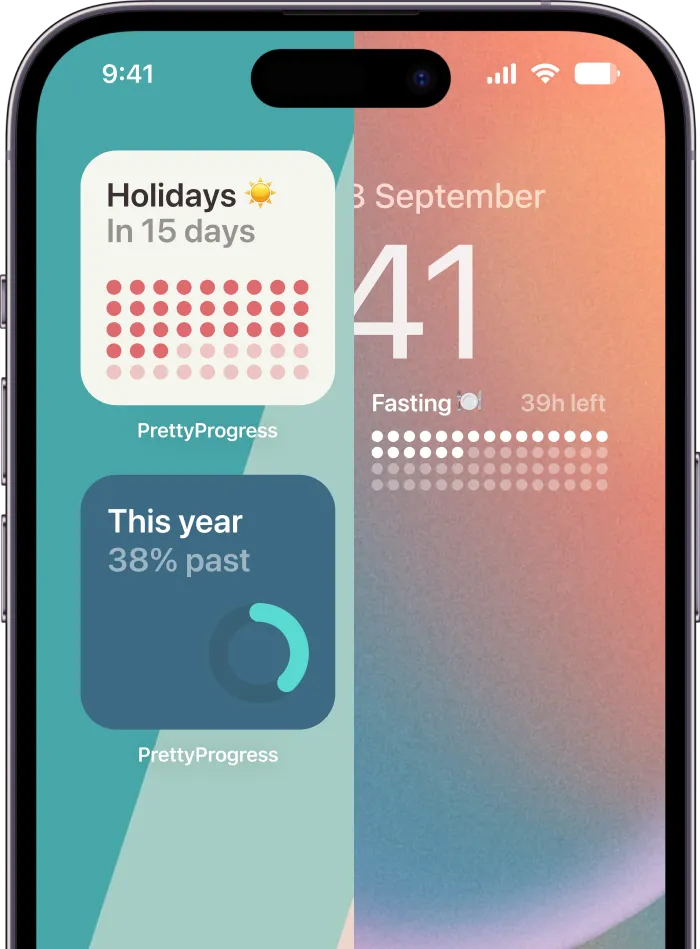
Set a Pretty Progress countdown widget to departure, then use a progress bar to make your trip savings visible. Keep the countdown on a screen you already check so the booking doesn’t disappear beneath work messages and daily errands.
If our countdown widget gets stuck, opening and closing Pretty Progress or restarting the device usually gets it updating again. Keep essential confirmations and travel reminders in your calendar as well, so you aren’t depending on a widget for time-sensitive details.
Choose your destination, reserve the anchor experience, and give yourself a realistic preparation plan today. You don’t need a perfect itinerary, just a booked date and enough space to enjoy being away.
Pretty Progress offers customizable countdown widgets and progress bars that keep your departure date and getaway savings visible on your everyday screens. Visit Pretty Progress to download the app, set your next trip countdown, and turn a someday idea into a scheduled escape.