
September 28, 2026
10 Habit Tracker App Reviews for Better Routines
Compare 10 habit tracker app reviews for features, use cases, pricing, platforms, pros and cons, including Pretty Progress for Apple users.
You’ve tried phone reminders, paper lists, and good intentions. The problem isn’t knowing what you want to do. It’s finding a tool you’ll still open when the routine becomes ordinary, inconvenient, or easy to forget. The best habit tracker app reviews should therefore answer practical questions: How quickly can you record progress? Will the reminder stay visible? Does the app fit your devices, motivation style, and tolerance for gamification? What happens when you miss a day?
This guide compares ten supplied review resources and product perspectives, including Pretty Progress, across daily completion friction, visual motivation, platform fit, integrations, pricing context, testing depth, and limitations. Some sources are hands-on comparisons, some use App Store sentiment, and others focus on specific behavior styles such as gamification or rapid check-ins. Pretty Progress is included as a product option for readers who want visual countdowns and progress bars rather than a conventional task-management system. Unsupported pricing or feature assumptions are left out.
A useful tracker should support the routine you have, whether you’re building exercise consistency, managing study deadlines, or sustaining well-being while raising an autistic child. Start with the resource that matches your decision, not the one with the longest feature list.
Table of Contents
- 1. Pretty Progress
- 2. Zapier
- 3. Finch
- 4. 2sync
- 5. App Store Tracker
- 6. RoutineBase
- 7. Streakmode
- 8. Habit Dungeon
- 9. iTechGuides
- 10. Tech All About
- Top 10 Habit Tracker Review Sources Comparison
- Choose the App You Will Actually Use
1. Pretty Progress
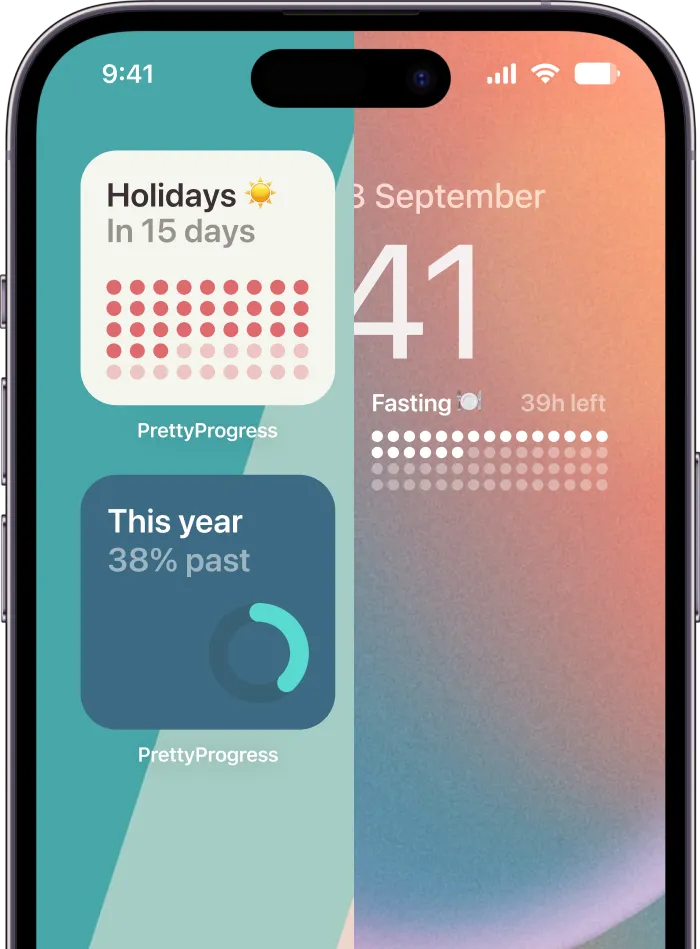
Pretty Progress is a strong fit when your main problem is remembering and seeing progress, rather than recording a large database of habits. It turns an iPhone, iPad, Apple Watch, Mac, or Android device into a persistent visual cue through customizable countdowns, progress bars, widgets, desktop views, and watch complications.
Setup is straightforward. Choose a start date and end date, select a visual style, adjust the colors or layout, and place the widget where you’ll notice it. Themes include Swiss, Minimal, Aqua, and Retro OS, with control over gradients, shapes, sizes, and icons. That makes the app useful for deadlines, exams, fasting windows, long-term goals, events, and routines that benefit from a visible sense of movement.

Best for visual cues
The central trade-off is that Pretty Progress is a visual countdown and progress tool, not a complete task or project management system. It can make a goal more noticeable, but it won’t replace a detailed task list when your routine requires dependencies, assignments, or extensive notes.
Calendar and Reminders integration helps connect the visual layer to existing planning habits. Built-in calculators for dates, business days, exact age, intermittent fasting, pregnancy due dates, and loan payoff also make it easier to turn an abstract goal into a concrete timeline. Platform behavior can vary because operating systems place limits on widgets and complications.
Practical rule: Use Pretty Progress when seeing progress will prompt action. Use a task manager when the main challenge is deciding what action comes next.
The app is free to download, with a PRO upgrade for deeper styling and advanced controls. The supplied product information doesn’t provide a PRO price, so check the current offer before committing. Its appeal is its quiet presentation, customizable design, and lack of advertising, rather than pressure-based streak mechanics.
2. Zapier
Zapier’s habit tracker roundup is most useful when habit tracking sits inside a wider productivity system. Instead of treating a habit app as an isolated calendar, the review style asks how tools fit into workflows, reminders, automations, and other applications.
That angle matters for people who already organize work through calendars, task managers, note systems, or automation platforms. A simple habit tracker may be enough for “walk today,” but a more connected workflow can help when a routine depends on recurring tasks, project milestones, or information moving between tools.
Strengths and limits
Zapier’s editorial format uses hands-on testing, side-by-side comparisons, use-case recommendations, screenshots, and workflow advice. Its conflict-of-interest disclosure and editorial policy add useful context when you’re comparing commercial productivity tools. The roundup is also updated periodically, with the supplied notes identifying a recent list for 2025.
The limitation is breadth. Zapier isn’t a dedicated habit-tracking publication, and its roundups typically narrow the field to a small group of finalists. That’s helpful when you want a shortlist, but less useful if you’re comparing unusual options, open-source tools, Apple-specific experiences, or apps designed around wellness rather than productivity.
For readers with ADHD, the relevant question is whether automation reduces the number of steps between intention and action. The Pretty Progress guide to habit tracking for ADHD is a useful companion if visible cues and low-friction reminders matter more than detailed analytics.
3. Finch
Finch, reviewed hands-on by Android Authority, takes a gentler approach than a conventional streak counter. The app frames routines through a virtual pet, so completing goals supports the bird’s progress rather than just protecting a number on a dashboard.
That distinction changes the emotional experience of checking in. Traditional streaks can motivate users who like visible chains and daily targets. They can also make one missed day feel like failure. Finch is more suitable for people who respond to encouragement, self-care prompts, and a forgiving structure.
Where the review helps
Android Authority’s strength is its experiential focus. A hands-on review can explain how the app feels during ordinary use, which is often more valuable than a feature inventory. You learn whether the gamified layer feels supportive or distracting, and whether the app suits someone who wants emotional reinforcement alongside routine tracking.
The trade-off is scope. This is a review of one app, not a broad category comparison, and Android Authority’s perspective is Android-centered even though Finch also has relevance for iOS users. You’ll need another source to compare platform parity, Apple-specific widgets, or alternatives built around visual progress rather than pet-based motivation.
Finch may also appeal to users who find strict streak mechanics counterproductive. The market analysis supplied for this guide says that retention is a serious issue in the category, with many users stopping within six months and privacy concerns acting as a deterrent. That makes a supportive experience worth considering, but it doesn’t prove that gamification creates durable behavior change.
For a more visual, less game-oriented alternative, compare Finch with the Pretty Progress habit tracker app for Android. The better choice depends on whether you want a companion, a progress display, or both.
4. 2sync
2sync’s habit tracker roundup is designed for fast shortlisting. Its 2026 framing, cross-platform coverage, concise verdicts, and inclusion of free or open-source options make it useful when you’re still deciding which apps deserve a closer look.
The source works best as a first pass. You can scan for Android-focused tools, cross-platform options, and apps that fit a particular use case without reading a long narrative about every product. It also gives readers pricing context and quick snapshots, which can reveal whether an app’s free tier is likely to be enough for a simple routine.
What it does well
Breadth is the main advantage. A broad list gives you more chances to find an app that matches your platform and behavior style, especially if you’re choosing between plain checklists, visual calendars, gamified systems, and open-source tools.
The weakness is uneven depth. Short entries can describe the surface experience, but they rarely establish how the app behaves after weeks of use. The supplied notes also identify limited disclosure around long-term testing methodology. That matters because the most important differences often appear after the novelty fades, when reminders become background noise and missed check-ins require correction.
Treat 2sync as a shortlisting resource, not a final verdict. Pick two candidates from its list, then check their current store listings, platform support, privacy terms, and the effort required for a daily entry. Pricing and availability can change, so the roundup should inform your questions rather than settle them permanently.
5. App Store Tracker
For iPhone users, App Store Tracker’s iPhone habit app ranking offers a different kind of evidence. It emphasizes live U.S. App Store ratings, review counts, recent review analysis, and recurring themes in user feedback rather than relying only on an editor’s personal experience.
That’s valuable because store reviews reveal problems that polished screenshots hide. Users mention syncing failures, unreliable notifications, family-sharing limitations, confusing upgrades, and missing features. Those complaints don’t automatically make an app poor, but repeated patterns can expose practical weaknesses before you invest time building a history.
How to read store sentiment
The source’s strength is transparency around popularity and sentiment. It combines ratings with written-review themes, helping you distinguish between an app that looks attractive in an editorial roundup and one that continues to satisfy a large installed audience.
The limitation is that review analysis doesn’t replicate hands-on testing. Ratings may reflect expectations, pricing disputes, or a recent update rather than the specific workflow you care about. The scope is also iOS-focused, so it won’t answer whether Android, web, Mac, or cross-device experiences are equally strong.
A useful iPhone decision process combines App Store sentiment with a short personal trial. Check how many taps it takes to log a habit, whether the widget is visible in your normal day, and whether notifications arrive at a useful time. Apple users should also test Watch behavior if checking in from the wrist is important.
Pretty Progress is relevant here because customizable habit tracker widgets can move the reminder from an app session to the Home Screen or Lock Screen. That’s a different model from opening a journal and marking several entries manually.
6. RoutineBase
RoutineBase’s long-form comparison stands out for its extended testing perspective. The supplied description identifies multi-month testing and an update in June 2026, which makes the resource more useful for readers who care about what happens after initial setup.
A habit app can feel excellent on the first day because every feature is new. Longer testing reveals whether the dashboard remains clear, whether reminders become irritating, whether analytics help you adjust behavior, and whether gamification continues to motivate once the novelty wears off.
Match the tool to your behavior
RoutineBase’s main value is narrative reasoning. It compares simplicity, analytics, and gamification in the context of real routines, rather than assuming that more features automatically create better results. That can help you identify your own failure pattern. If you abandon apps because setup takes too long, choose simplicity. If you stop because you can’t see trends, choose analytics. If plain checkboxes feel lifeless, test gamification.
The trade-off is subjectivity. One reviewer’s extended experience is still one perspective, and it may not reflect broader consumer sentiment or the needs of a different platform. The source also offers fewer hard metrics than data-led rankings, which is a limitation if you want to compare adoption or store performance.
Use the review to understand behavior fit, then verify the practical details separately. Confirm supported devices, current pricing, notification controls, data export, and whether the free experience is usable for your routine. A long-term review can tell you whether an app feels sustainable, but only a current product page can confirm what’s available now.
7. Streakmode
Streakmode’s approach to comparing habit trackers focuses on the moment that matters most in daily use: completing the habit. Its criteria emphasize tap depth, interface speed, and the time between opening the app and recording progress.
That narrow focus is practical. A tracker can have excellent charts and attractive themes, but those advantages don’t matter if every check-in requires navigating several screens. People usually interact with a habit tracker in a busy context, often while moving between other tasks. The best interface makes completion almost automatic.
When speed beats depth
Streakmode is especially useful for users who want a minimalist tracker and dislike lengthy setup. Its concise verdicts make the ranking easy to scan, and its criteria align with a real behavior loop: notice the cue, perform the action, record completion, move on.
The downside is reduced detail about secondary features. A short review may not explain analytics, exports, privacy, device syncing, or how well the app handles irregular schedules. It also comes from a smaller publication, so you may want a second opinion before choosing an app for a long-term system.
Use a simple test before downloading multiple tools. Imagine completing your target habit immediately after doing it. If you need to open a dashboard, find a date, select a category, and confirm several prompts, the friction may eventually defeat the system. If you can mark completion with one clear action, the tracker has a better chance of becoming part of the routine.
Visual widgets can solve a related problem by reducing the need to open the app at all. Pretty Progress is strongest when the cue stays visible and the progress display encourages continuation without interrupting the rest of your day.
8. Habit Dungeon
Habit Dungeon’s 2026 comparison covers a wide style range, from minimalist trackers and widget-heavy tools to RPG-inspired systems and open-source options. That range helps because motivation isn’t uniform. Some people want a clean grid, while others need an external reward structure to make repetition engaging.
The source also highlights platform strengths such as Watch apps and widgets. Those details matter for Apple users who want to record progress from the wrist, and for anyone who relies on a Home Screen cue rather than a scheduled notification.
Watch the editorial angle
The main benefit is inclusiveness. By placing simple, playful, free, and paid apps in one comparison, Habit Dungeon makes it easier to see the difference between a tracker that records behavior and one that actively shapes the experience around rewards.
The main caution is potential bias. The supplied notes indicate that the site may include its own app perspective, so readers should check whether the ranking gives its product special treatment. Entry depth also varies, which means a short description shouldn’t be treated as equivalent to a hands-on review.
Apple users should separate three questions. Does the app run on the devices you own? Can you complete a check-in from the most convenient device? Does the visual style make you want to return, or does it add a layer you’ll eventually ignore? Pretty Progress belongs in the visual category, with customizable widgets and progress bars across Apple devices and Android, but it won’t provide the RPG mechanics that make Habit Dungeon’s playful options appealing.
9. iTechGuides
iTechGuides’ buyer-focused ranking is aimed at readers who want explicit criteria. It assesses the core habit job, value for money, and feature coverage, then summarizes cross-platform options in a beginner-friendly format.
That structure helps reduce a common buying mistake: choosing the app with the most impressive feature list instead of the app that solves the actual problem. If your problem is remembering one medication routine, advanced analytics may be unnecessary. If you’re managing several routines across phone and computer, platform coverage and synchronization may matter more than visual polish.
Good for first decisions
The declared criteria improve transparency. You can disagree with the ranking while still understanding the logic behind it. That’s better than a list that presents a winner without explaining whether the decision came from testing, popularity, price, or personal preference.
The limitation is depth. The source provides less first-person, long-term testing detail, and its coverage of privacy and data practices is limited. Those gaps matter because a habit history can become personal over time, especially when it includes health, sleep, mood, or other sensitive routines.
Use iTechGuides to define your shortlist, then inspect each candidate’s current store page and privacy information. For Apple users, confirm iPhone, iPad, Apple Watch, and Mac support separately. “Available on Apple devices” can mean very different things depending on whether the app includes a real Watch experience, a Mac app, or only iPhone compatibility.
10. Tech All About
Tech All About’s habit tracker roundup frames its recommendations around realistic routine building rather than feature accumulation. The supplied notes describe a September 2026 publication with current screenshots, simple options, cross-platform tools, and gamified recommendations.
That behavior-focused approach is useful because a tracker should fit the context in which you’ll use it. A student managing deadlines may want a persistent visual countdown. Someone building a morning routine may prefer a quick checklist. A user who loses interest in plain logging may respond better to rewards, characters, or challenges.
Choose the behavior model
The source’s advantage is freshness and readability. Current screenshots and recent descriptions can make it easier to understand how an app presents itself now, especially in a category where interfaces and subscription models change often.
The trade-off is documentation. The supplied notes identify less-documented editorial standards and variable depth across entries. A recent publication date doesn’t guarantee extensive testing, and a readable description can still omit notification behavior, data handling, exports, or platform limitations.
Use Tech All About for behavior-oriented ideas, then test one candidate in the exact routine you want to improve. Place its reminder or widget where the behavior begins, not where you’ll remember to look later. A visual progress tool such as Pretty Progress may work better for deadline-driven goals, while a dedicated habit log may be better when you need a record of individual completions.
Top 10 Habit Tracker Review Sources Comparison
| Item | Core features / USP ✨ | Quality / Rating ★ | Price / value 💰 | Target audience 👥 |
|---|---|---|---|---|
| Pretty Progress 🏆 | Designer-quality customizable widgets, cross-platform sync, built‑in date/fasting/loan calculators | ★ 4.8 · 2M+ users · no ads | 💰 Free download · PRO in‑app upgrade | 👥 Design‑minded goal trackers, widget lovers |
| Zapier, “The best habit tracker apps” | Hands‑on roundups with automation/integration focus | ★ Editorially vetted, trustable | 💰 Free article | 👥 Power users who automate workflows |
| Finch (Android Authority review) | Deep hands‑on of a gamified, gentle habit app | ★ Practical day‑to‑day UX insights | 💰 App pricing varies (check store) | 👥 Gamification fans · Android users |
| 2sync, “12 best habit tracking apps in 2026” | 2026 roundup with pricing snapshots and platform picks | ★ Recent, scannable shortlist | 💰 Free article with price examples | 👥 Quick shortlisters · cross‑platform shoppers |
| App Store Tracker, iPhone (2026) | Live App Store data: ratings, review counts, trend analysis | ★ Data‑driven market sentiment | 💰 Free article | 👥 iPhone users seeking market validation |
| RoutineBase, tested 8 (2026) | Multi‑month, long‑form testing and narrative trade‑offs | ★ Longitudinal, practical testing | 💰 Free article | 👥 Readers wanting deep, real‑world testing |
| Streakmode, tested & ranked (2026) | Friction/tap‑efficiency focused evaluations | ★ Fast, UX‑centric rankings | 💰 Free article | 👥 Low‑friction habit completers |
| Habit Dungeon, 10 best (2026) | Broad style coverage (minimal → gamified → open‑source); notes widgets/Watch | ★ Inclusive comparative list | 💰 Free article | 👥 Users choosing style (playful vs plain) |
| iTechGuides, researched & ranked (2026) | Criterion‑based scoring (job done, value, features) | ★ Transparent ranking logic | 💰 Free article | 👥 Beginners · value‑focused buyers |
| Tech All About, routines (Sept 2026) | Behavior‑change oriented picks; realistic routine focus | ★ Fresh, behavior‑focused guidance | 💰 Free article | 👥 Readers prioritizing habit formation quality |
Choose the App You Will Actually Use
The best resource depends on the decision you’re trying to make. Choose a hands-on roundup such as RoutineBase when you want experiential detail and a sense of long-term usability. Choose a data-led iPhone source such as App Store Tracker when ratings, written reviews, and recurring complaints matter more than one editor’s workflow. Choose a broad 2026 guide such as 2sync or Tech All About when you need a wide shortlist across platforms and behavior styles.
Choose Streakmode when your priority is fast daily completion. Its friction-focused approach asks the right operational question: how quickly can you mark the habit and leave? Choose Finch when strict streaks create pressure and you prefer a gentle, gamified experience. Choose Habit Dungeon when you want to compare minimalist, widget-driven, open-source, and RPG-style options in one place.
For Apple users, platform fit deserves special attention. An iPhone app may not offer the same experience on iPad, Mac, or Apple Watch. Check whether you’ll get a proper widget, a Watch complication, device synchronization, and reliable notifications. A tracker that looks excellent on an iPhone can still fail if your real cue happens at your desk or during a workout.
Pretty Progress is the relevant option when you want glanceable countdowns, progress bars, strong visual customization, and broad Apple-device coverage. It supports iPhone, iPad, Apple Watch, Mac, and Android, and it can connect with Calendar and Reminders. Its themes, colors, gradients, shapes, layouts, and icons make the visual cue feel personal rather than generic. The trade-off is important: it’s a visual countdown and progress tool, not a full task or project management system.
Review evidence also points to the category’s larger product risks. The supplied market analysis estimates the habit-tracking app market at USD 14.95 billion in 2026, with a projection of USD 50.22 billion by 2035 and a 14.41% CAGR. The same analysis says more than 65% of users adopt digital wellness tools for productivity, while about 48% discontinue use within six months and 55% cite privacy concerns as a deterrent. Those figures suggest that demand alone isn’t enough. Retention, trust, low friction, and clear data handling determine whether a tracker becomes part of someone’s life.
Independent store evidence shows why reviews need to be read critically. One U.S. App Store habit tracker listing has 147,000 ratings and an average score of 4.8 out of 5, while independent app-intelligence data estimates roughly 200,000 worldwide downloads in the last month and about $100,000 in monthly revenue. The same source gives U.S. productivity rankings of 151 on iPhone and 206 on iPad. Those signals show that review volume can reflect sustained discovery and monetization, but they don’t tell you whether the app’s check-in flow fits your routine.
Another Android listing has 135,000 reviews, a 4.8-star rating, and 10 million+ downloads on Google Play. That scale confirms broad category demand, but it doesn’t eliminate the need to inspect usability, reminders, privacy, and platform support for yourself. Review counts are useful context, not a substitute for fit.
Choose one routine or goal first. Define its dates, completion cue, or progress measure. Put the chosen app or widget where you’ll see it at the moment action should begin, then reassess whether the reminder supports consistency rather than adding noise. If you keep ignoring it, change the cue or reduce the tracking burden before you assume the habit itself is impossible.
Pretty Progress offers customizable countdowns, progress bars, and widgets for iPhone, iPad, Apple Watch, Mac, and Android, with Calendar and Reminders integration for connecting visual cues to existing plans. If your habit tracker app reviews have left you wanting a quieter, more glanceable way to see progress, visit Pretty Progress and test it with one routine or goal.