May 13, 2026
How to Build a Sustainable ADHD Reward System for 2026
Struggling with motivation? Learn how to design an effective ADHD reward system using goal-setting and visual tools to help you stay on track this year.
You’re probably reading this with at least one unfinished task hanging over you. Maybe it’s a work project with a distant deadline, a school assignment you keep meaning to start, or a pile of life admin that never feels urgent enough until it becomes a problem. You know the reward is real. Relief, progress, better grades, less stress. But your brain still won’t move.
That’s where a lot of ADHD advice breaks down. It assumes that if the reward matters enough, motivation will show up. For many people with ADHD, it doesn’t work that way. The issue usually isn’t laziness or a lack of insight. The issue is timing. If the payoff is too far away, your brain may not register it strongly enough to help you start.
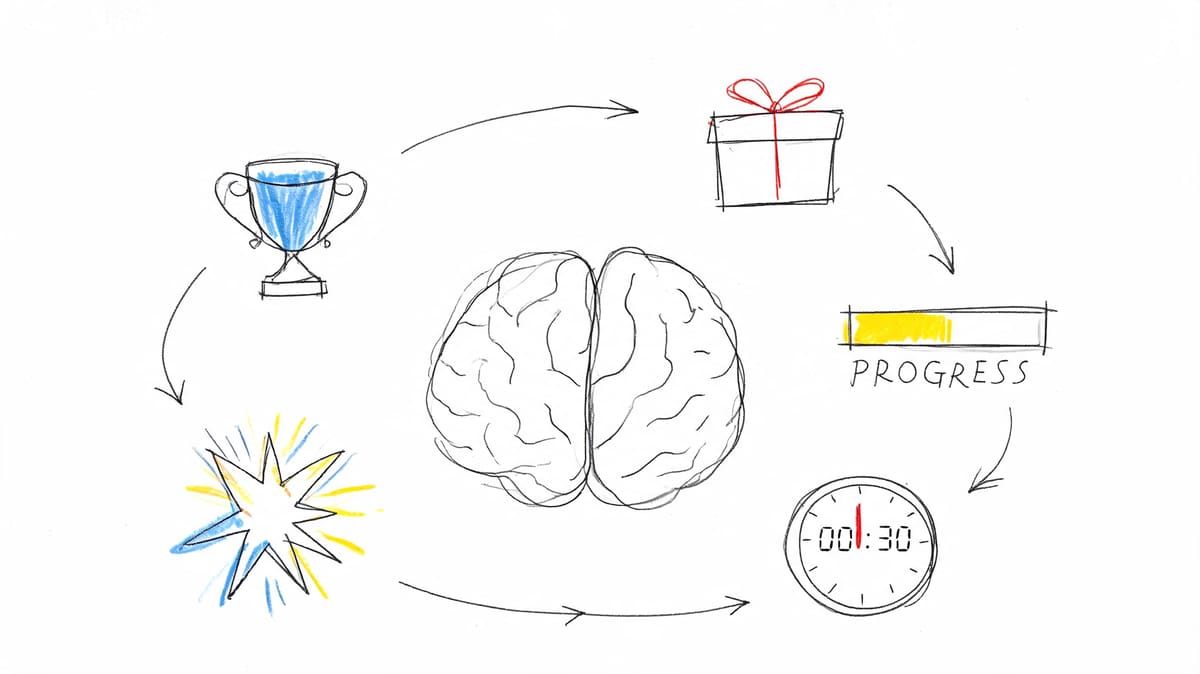
A sustainable adhd reward system has to do two jobs at once. It has to make progress feel immediate, and it has to give you enough choice that the system feels like yours. If it feels controlling, boring, or delayed, it usually falls apart.
Table of Contents
- Why Typical Reward Systems Fail the ADHD Brain
- Designing Your Reward System The RAN Method
- Using Visual Tools to Bridge the Dopamine Gap
- Troubleshooting When Your System Stops Working
- Reward System Examples for Kids Teens and Adults
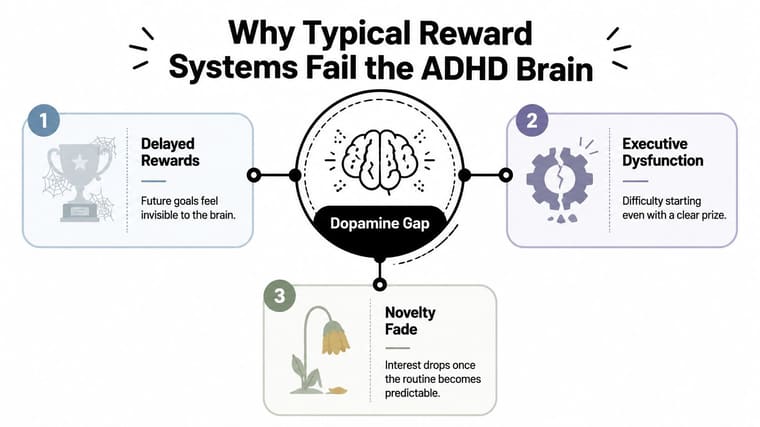
Why Typical Reward Systems Fail the ADHD Brain
“Just try harder” fails because effort isn’t the main bottleneck. Many people with ADHD care about the outcome. They want to do the thing. They often think about it all day. But wanting a result and being able to activate toward it are not the same skill.
That’s why standard reward systems often miss the target. A gold star at the end of the week, a vague promise of “feeling proud later,” or a distant deadline can work for some brains. For an ADHD brain, that reward may land too late to drive action in the moment.
The real problem is not effort
A Brookhaven National Laboratory PET imaging study found lower dopamine D2/D3 receptor availability in the nucleus accumbens by 15 to 20% and lower dopamine transporters in the midbrain by 12 to 18% in untreated adults with ADHD, with accumbens receptor binding explaining up to 37% of the variance in reduced attention according to the Brookhaven ADHD dopamine findings summary. That matters because these are core parts of the brain’s motivation and reward circuitry.
In practical terms, this means the usual motivational sequence often breaks. You see the task. You know it matters. But the internal “go” signal doesn’t arrive with enough force. Then people around you assume you don’t care, when the truth is often the opposite.
ADHD often looks like a motivation problem from the outside. From the inside, it feels more like a signal problem.
This also helps explain why emotionally intelligent support works better than pressure. If you support a child or student with ADHD, resources on the impact of SEL on neurodiverse students can help you build encouragement around regulation and self-awareness instead of punishment.
Why delayed rewards go flat
Most long-term goals are delayed by design. You finish the semester at the end. You get paid after the work. You feel the health payoff later. That delay is exactly what creates trouble.
A typical reward system says, “Do the boring thing now because future-you will be glad.” That logic is sound, but it often isn’t strong enough to drive behavior today. ADHD also tends to make task initiation, sequencing, and follow-through harder, so even a meaningful reward can feel strangely abstract.
A better approach is to stop relying on one big payoff. Build smaller present-moment cues around the work itself. The reward system has to meet you during the task, not only after it.
If you want more practical ways to reduce activation friction, this guide on how to focus with ADHD pairs well with the reward framework here.
Designing Your Reward System The RAN Method
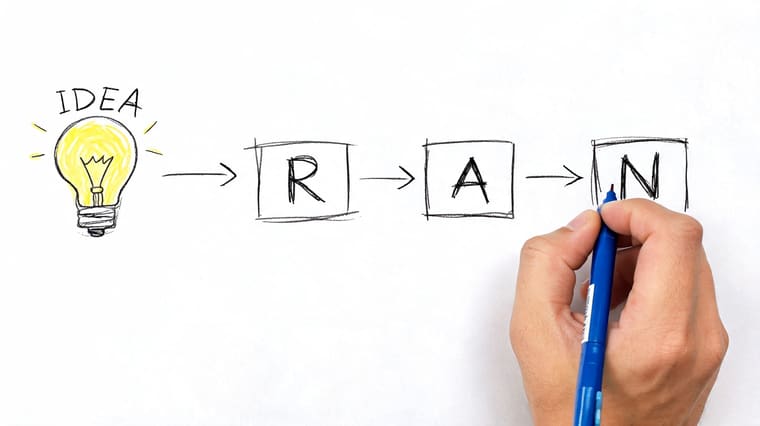
Good reward systems are not fancy. They’re specific, repeatable, and light enough that you’ll still use them on a difficult day. One framework I like for this is RAN, which stands for Reward, Accountability, Novelty.
User trial data shared by Inflow reports a 70 to 80% self-reported task completion uplift, and it also notes that keeping the same incentive for more than two weeks can reduce effectiveness by 50%, according to their explanation of the RAN method for ADHD motivation. The useful lesson isn’t just the uplift. It’s that motivation needs maintenance.
Reward that works right now
The reward has to arrive close to the effort. Not at the end of the month. Not “once everything is done.” Right after a useful block of work.
That doesn’t mean it has to be expensive or dramatic. It means it has to be immediate and enjoyable enough that your brain registers the connection.
A simple way to build that:
- Chunk the task first: Use a work block you can finish. A short writing sprint, one sink of dishes, one page of notes, one admin call.
- Attach a concrete payoff: Coffee after the sprint. Ten minutes of a game. Music you save for cleanup. A walk after sending the email.
- Keep it sustainable: If the reward creates guilt, overspending, or a sugar crash, you won’t keep using it.
Small rewards work best when they’re tied to completion of a clear unit, not to vague effort like “I tried.”
Accountability without shame
Many people hear “accountability” and immediately think pressure, criticism, or someone checking up on them. That version usually backfires. ADHD accountability should feel like a gentle witness, not surveillance.
Some options work better than others:
| Situation | Better accountability | Usually less helpful |
|---|---|---|
| Starting a task | Text a friend your first step | Promising a huge outcome |
| Staying with a project | Midway check-in with one person | Posting every detail publicly |
| Finishing a work block | Send “done with round one” | Waiting until the entire project is complete |
Practical rule: Use accountability to create momentum, not to create fear.
If you like structured prompts for milestones, an AI tool for tracking startup momentum can be useful for breaking large projects into visible checkpoints. You don’t need to be a founder to borrow that idea. The same logic helps with essays, portfolio work, or household systems.
Novelty keeps the system alive
This is the part frequently overlooked. A reward can work beautifully for a week and then lose all power. That’s normal. It doesn’t mean the system is broken. It means the brain got used to it.
Novelty can be tiny. You don’t need to redesign your life.
Try rotating one variable at a time:
- Change the reward. Swap tea for a podcast, or a snack for a walk.
- Change the setting. Desk today, library tomorrow, kitchen table after that.
- Change the sequence. Outline before research, or answer easy emails before the hard one.
- Change the sensory input. Different playlist, different lighting, different pen, different timer style.
A lot of people make the mistake of overbuilding. They create a complicated reward board, a color-coded spreadsheet, and five check-in systems. Then they avoid the system itself. Keep it lean.
The strongest adhd reward system usually has these features:
- Immediate feedback
- Low setup effort
- One accountability touchpoint
- Built-in rotation so it doesn’t go stale
Using Visual Tools to Bridge the Dopamine Gap
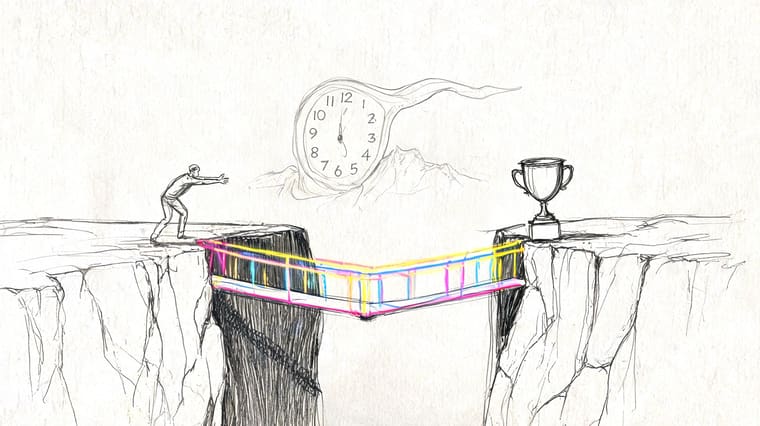
Long-term goals create a motivation gap because the payoff stays out of sight for too long. That’s a problem when your brain responds better to what feels present, concrete, and visible now. A progress bar, countdown, or milestone tracker can close that gap by turning an abstract future into something you can see today.
The key idea from ADHD reward research is simple. Some goals are neurologically hard to feel because they’re too delayed, and visual progress tracking can bridge that dopamine timing problem by creating intermediate micro-rewards, as described in this discussion of ADHD-friendly reward systems and visual tracking.
Make progress visible all day
Most reward systems rely on memory. You’re supposed to remember your goal, remember your plan, remember your reason, and remember to care at the exact moment you need to act. That’s too much internal load.
Visual tools reduce that load by putting the goal back into your environment. You don’t have to generate motivation from scratch every time. You can see where you are, what’s left, and whether your effort is moving anything.
Useful visual tools include:
- Progress bars: Best for projects, habits, savings goals, and courses
- Countdowns: Best for deadlines, events, exams, launches, and travel
- Milestone lists: Best for multi-step goals where completion is not linear
- Completion streaks: Best for routines that need repetition more than intensity
What matters isn’t the app itself. It’s the visibility. If the reminder lives in a notes app you never open, it won’t help much.
A well-placed visual cue can do what verbal self-talk often can’t. It shortens the distance between “I should” and “I’m already moving.”
Visuals turn distant goals into present cues
A long project becomes easier to approach when you can see movement. That movement becomes its own form of reward. You aren’t waiting weeks to feel progress. You get a small hit of completion each time the bar advances, the percentage changes, or the countdown shrinks.
That’s especially useful for goals that don’t come with natural feedback. Studying for an exam, editing a thesis, recovering your sleep schedule, paying down debt, or preparing for a move can all feel endless. A visual tracker gives the work edges.
If you want ideas for setting up visible prompts in daily life, this article on visual reminders for ADHD offers good examples of how external cues reduce friction.
This short video gives a helpful visual take on using progress and reminders to stay connected to a goal over time.
The goal is not to make the task exciting all the time. The goal is to make progress visible often enough that your brain keeps participating.
Troubleshooting When Your System Stops Working
Every ADHD system stops working sometimes. That’s normal. It doesn’t mean you picked the wrong reward, the wrong planner, or the wrong week to get serious. It means the system needs tuning.
The biggest mistake I see is moralizing the slump. People say, “I knew it. I can never stick to anything.” That reaction adds shame and usually shuts down problem-solving. A better response is clinical. Ask what failed. Timing, scale, novelty, visibility, or recovery.
When the reward stops feeling rewarding
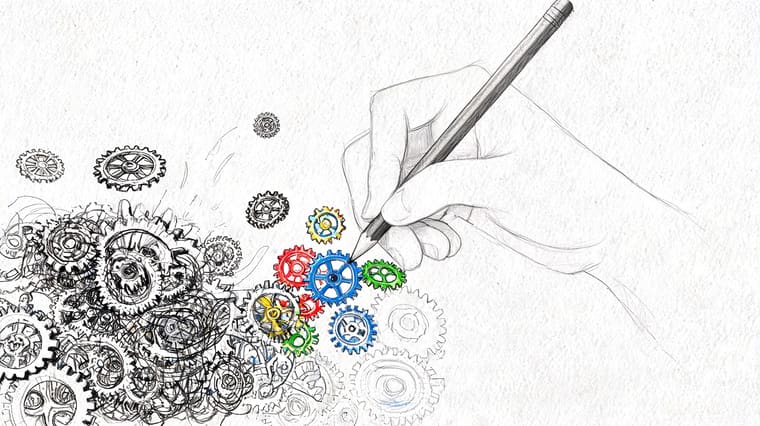
One controlled study on children with ADHD found that immediate rewards improved accuracy from 71% to 79%, but the benefit did not transfer to post-reward blocks, and some participants reached the cap too early, showing the risk of reward saturation, according to the Go No-Go reward study on ADHD and immediacy. The lesson is practical. Rewards work best while they are active, immediate, and scaled properly.
If your system suddenly feels flat, check these first:
- The reward became predictable: Rotate it before you get sick of it.
- You’re earning it too late: Move it closer to the work block.
- It’s too big for the task: A major reward for a tiny action can feel fake.
- You hit the “cap” too early: If one burst of effort gets you everything, the rest of the task has no support.
A reward menu helps. Make a short list with different options for low, medium, and high effort blocks. Then switch between them instead of using the same one every day.
When the task gets too big
A reward system fails fast when the task unit is vague. “Work on project” is not a task. It’s a category. The brain can’t cash in on a reward if it never gets a clean sense of done.
Use this reset:
- Shrink the unit to something visible and finishable.
- Name the endpoint in plain language.
- Match the reward to the unit, not the whole project.
- Repeat the loop instead of trying to finish everything in one burst.
If you can’t tell when the round ends, your brain won’t trust the reward.
Examples help. “Write report” becomes “draft the opening paragraph.” “Clean the house” becomes “clear the kitchen counter.” “Study chemistry” becomes “complete ten review questions.”
When you miss a day and want to quit
This is the maintenance issue almost nobody plans for. Miss one day, then a second, then your brain starts saying the system is over. That all-or-nothing swing is common, and it’s brutal.
The fix is not more intensity. It’s a restart ritual.
Try a weekly reset with three questions:
- What still works
- What feels stale
- What is one smaller entry point for tomorrow
Then rebuild from the easiest useful action. Not the ideal one. The easiest useful one.
A system is healthy when it survives inconsistency. If it only works during your best week, it isn’t support. It’s a performance.
Reward System Examples for Kids Teens and Adults
The most effective adhd reward system changes by age, role, and context. A child needs more external structure. A teen needs increasing ownership. An adult usually needs a system that protects autonomy, because controlling systems often trigger resistance or shutdown.
Research grounded in Self-Determination Theory argues that ADHD motivation thrives on autonomy and that imposed systems can backfire when they feel controlling, as explained in this piece on autonomy and ADHD motivation. So the examples below all follow one rule. The person using the system should help design it.
For kids
A child who struggles with chores usually doesn’t need a longer lecture. They need a shorter path from action to payoff.
Say the goal is getting through an after-school routine without a battle. Don’t frame it as “be responsible all evening.” Build a short loop.
Try this:
- Pick one visible routine: Shoes away, backpack emptied, snack dishes in sink
- Use a simple tracker: Three boxes or icons they can mark themselves
- Add a small immediate reward: Story choice, music choice, drawing time, a game with a parent
- Review it together: Ask what part felt annoying and what would make tomorrow easier
The child should have some say in the reward and the tracker. If the whole system is imposed, it can start to feel like constant correction.
A child is more likely to use a system they helped build than one they were told to obey.
If a child loves visuals, use icons, magnets, or a simple progress strip on the fridge. Keep the language concrete. “Three steps, then LEGO time” works better than “Please be more cooperative.”
For teens
Teens need reward systems that respect independence. If the setup feels childish, they’ll reject it even if it would help.
Take homework. A teen may keep putting it off, then panic late at night. A useful system doesn’t start with punishment for missing work. It starts with co-design.
A better conversation sounds like this:
| Goal | Teen choice | Parent role |
|---|---|---|
| Start homework | Choose the first subject and location | Help protect that time |
| Work in blocks | Pick timer length and break activity | Keep interruptions low |
| Earn reward | Choose a meaningful privilege or activity | Deliver it consistently |
| Track progress | Use a paper grid, whiteboard, or phone reminder | Review once, not constantly |
This age group often responds well to social accountability. Not nagging. Just a quick check-in, a shared study session, or sending a photo of a finished page to a friend or parent.
Novelty matters a lot here. Rotate the environment, the order of subjects, or the kind of break. If every night feels identical, the system can die from predictability.
For adults
Adults often need the most compassion and the least infantilizing structure. Many have years of failed planners, abandoned habits, and the feeling that they “should know how to do this by now.” That history matters.
Suppose the goal is finishing a major work project. The standard approach is to put the deadline on a calendar and hope urgency eventually kicks in. A better system creates immediate wins along the way.
One version looks like this:
- Define the project in milestones: research, outline, draft, revision, submission
- Choose one visible tracker: a digital progress bar, a written checklist, or a board with milestones
- Attach immediate rewards to each milestone: good coffee after the outline, a walk after the draft section, favorite show after revision round one
- Add one accountability point: colleague, friend, coach, or even a scheduled self-check
- Rotate the setup when stale: change workspace, soundtrack, or sequence
Adults also do better when the system matches real life. If you have caregiving responsibilities, shift work, or inconsistent energy, a rigid plan will probably create more guilt than follow-through. Build for variability.
For personal habits, the same logic applies. If you’re trying to exercise, don’t reward “be healthy.” Reward the completed session. If you’re trying to declutter, don’t reward “fix the apartment.” Reward one contained zone.
A lot of adults benefit from a visual tracking tool because it reduces the need to hold the whole project in working memory. If you want examples of how digital progress tracking can support long-term goals, this guide to a goal progress tracker app is a useful starting point.
The strongest adult systems feel chosen, not assigned. That’s the difference between support and control. Support says, “Here’s a structure that helps me move.” Control says, “I must obey this system perfectly.” One builds momentum. The other builds avoidance.
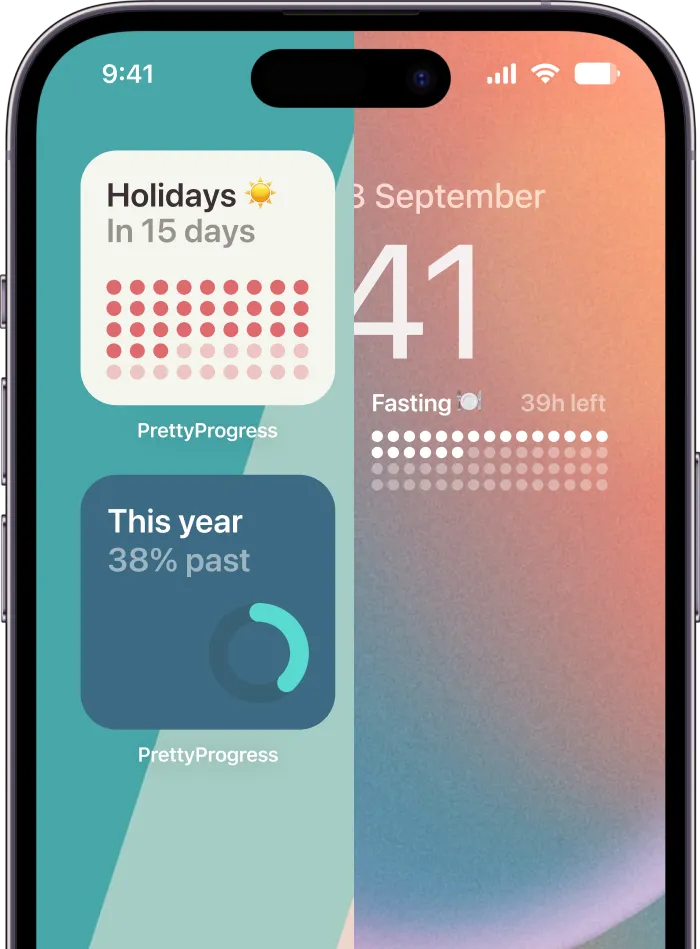
If you want a simple way to make long-term goals feel more present, Pretty Progress gives you customizable countdowns and progress widgets you can place on your Home Screen, Lock Screen, tablet, watch, or desktop. For ADHD brains, that kind of glanceable visual cue can make the difference between forgetting the goal exists and seeing progress often enough to keep going.